US
US NZ
NZ UK
UK SG
SG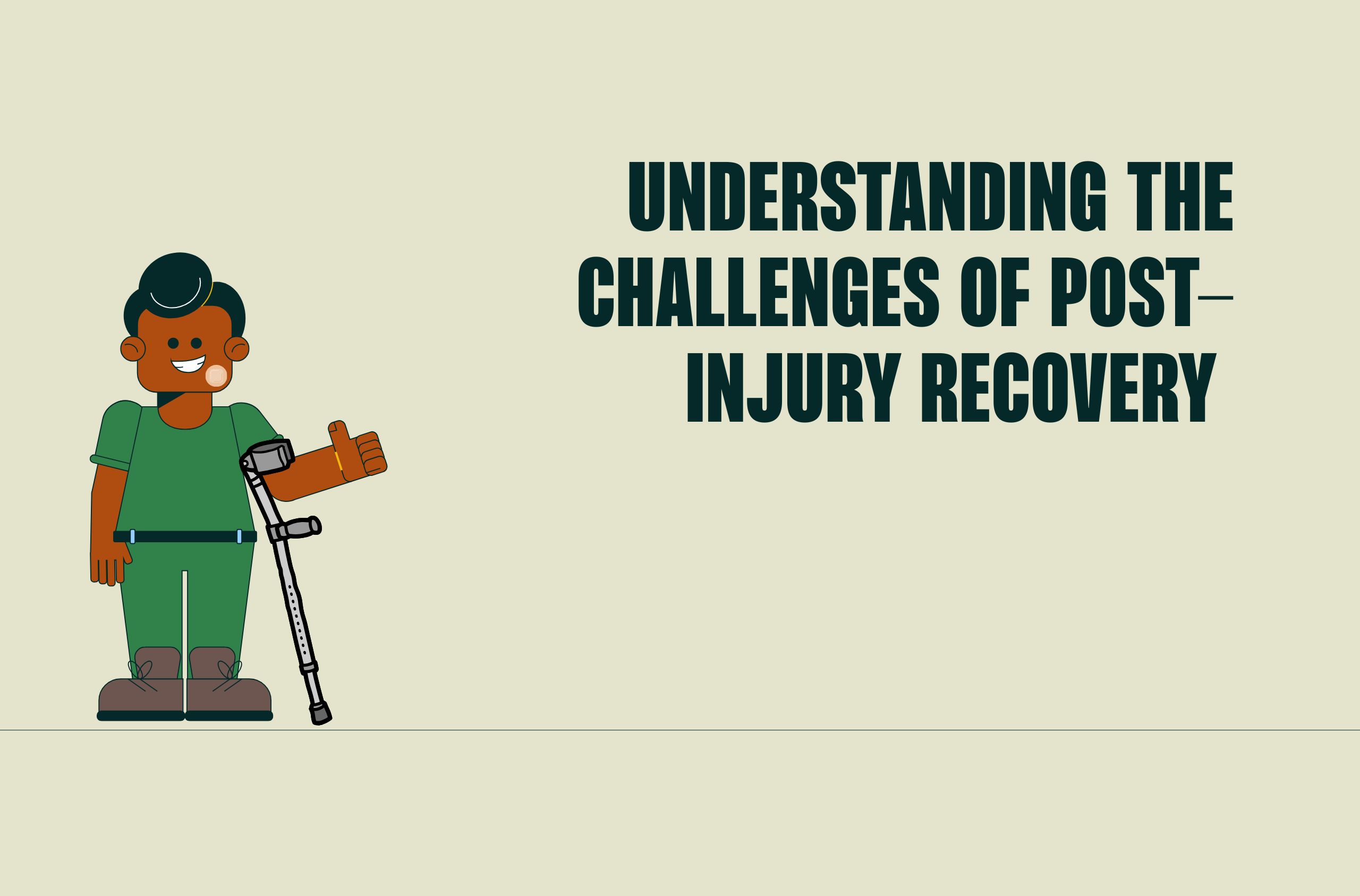
At the recent WHS Show in Sydney, Corey Grandin, Director of Industries and High-Risk work at Safe Work Australia, shared compelling insights into workplace safety and post-injury recovery in Australia. The data and observations presented by Corey highlight not only the scale of workplace injuries but also the barriers that workers face when returning to work.
Workplace injuries remain concentrated in high-risk industries
Corey presented that Australia recorded 188 workplace fatalities and around 150,000 serious compensation claims in 2024. However, these figures are not evenly spread across all sectors.
Six high-risk industries account for 80% of traumatic injury fatalities and 61% of serious claims. Transport, postal and warehousing led with 54 fatalities, followed by agriculture, forestry and fishing with 44, and construction with 37. Vehicle incidents alone were responsible for nearly two in every five deaths.
Corey highlighted that healthcare and social assistance recorded approximately 30,000 serious claims in the last year, emphasising the disproportionate impact on certain sectors.
The path back to work is far from straightforward
Corey’s data shows that returning to work after injury is not only about physical recovery but relies heavily on support, communication and opportunity. One in five injured workers experiences time loss exceeding 13 weeks, rising to 25% in healthcare and transport sectors. The transport, postal and warehousing industry had the lowest return-to-work rate at 84%. Corey highlighted that targeted interventions make a measurable difference: a return-to-work plan increases the likelihood of returning by 11%, modified duties by 12%, and feeling supported by an employer has a similar impact. In manufacturing, 25% of injured staff returned to completely different duties, significantly higher than the 15% average across all industries.
Psychological injuries come with higher costs and longer recovery
During his presentation, Corey pointed out that psychological injury claims, while representing only 10% of all claims, are disproportionately severe. Median time off for psychological injuries is 35.7 weeks, five times longer than other serious injuries. Costs are four times higher, and support is often limited: only 36% of workers with psychological injuries were contacted by their employer before returning to work, compared with 66% across all injury types.
Corey emphasised that this support gap represents a critical challenge for employers and workers alike.
Perception gaps create barriers to recovery
Throughout his keynote, Corey highlighted a significant perception gap between employers and workers, which can hinder recovery. While 98% of employers believe they did everything to support injured staff, only 57% of workers agreed. The gap extended to communication, with 84% of employers believing they provided enough information versus 49% of workers, and fairness, with 98% of employers believing they were fair compared to 61% of workers. Corey noted that this disconnect contributes to worker anxiety: 30% feared being perceived as faking their injury, 27% worried about being treated differently, and a quarter feared losing their job by submitting a claim.
Why these insights matter
The findings shared by Corey, based on Safe Work Australia’s 2025 national return-to-work survey of 4,000 workers and 750 employers, reveal that workplace safety is not just about preventing incidents and improving recovery outcomes.
Understanding the human experience behind the data is crucial for organisations aiming to reduce time loss, improve support, and strengthen workforce resilience. Corey’s reminded us that numbers alone cannot capture the real challenges faced by injured workers. It is the combination of structured support, communication, and genuine empathy that makes the difference between a worker’s successful return and prolonged absence.
Share: