AU
AU US
US NZ
NZ SG
SG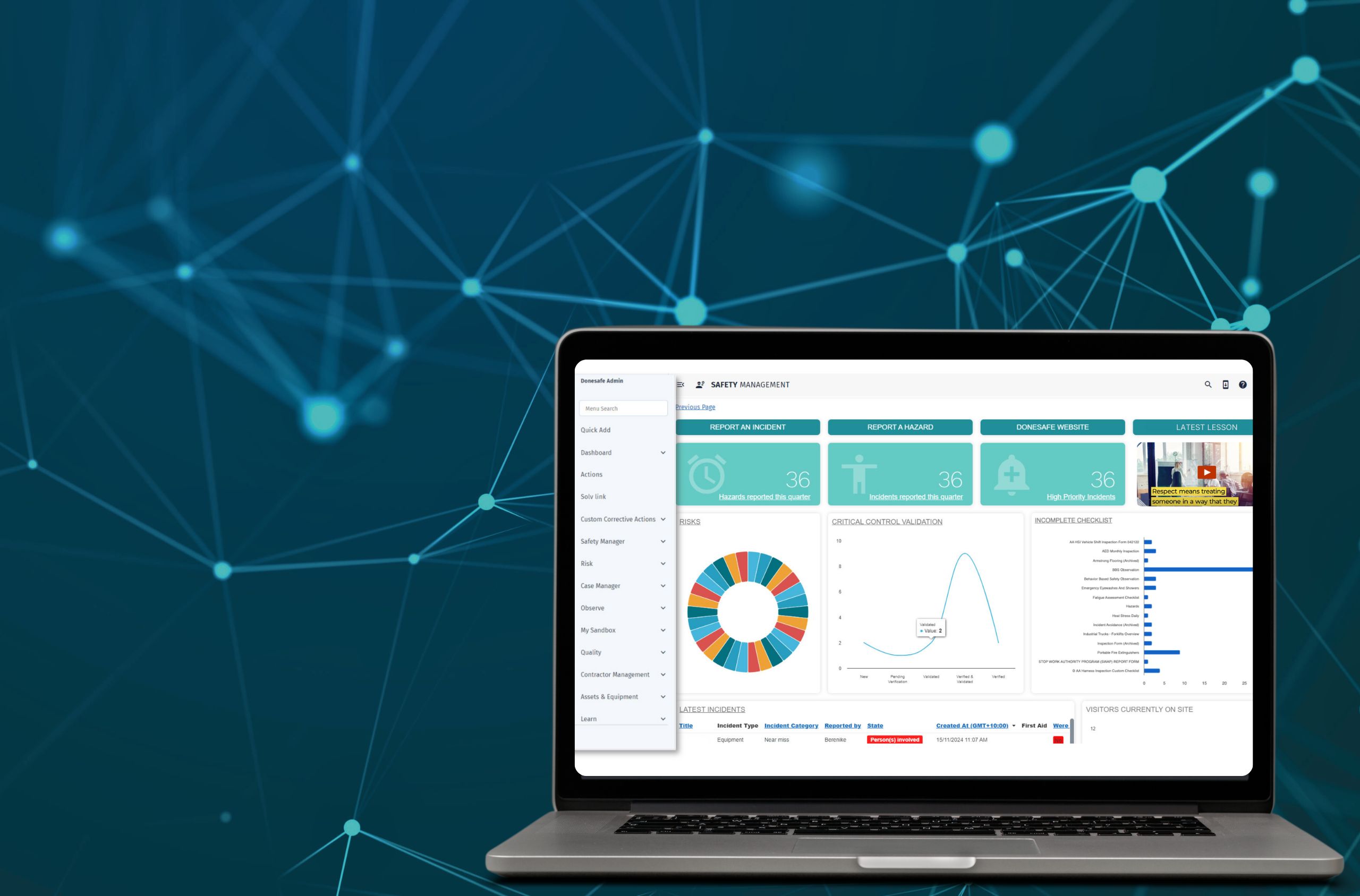
Key Takeaway
Many EHS leaders are confident in the systems they have, but is that system still the right fit? As businesses grow, regulations shift, and the workforce changes, platforms that once worked well can quietly fall behind. Hidden risks don’t just stem from gaps in process. They emerge when systems stop scaling, slow teams down, or make it hard to adapt quickly. This piece is a system stress test: is your EHS platform still giving you the bandwidth, flexibility, and control to manage risk at scale, or are you quietly plugging gaps in ways that increase risk over time?
Why Do Large Organisations Still Miss Critical EHS Risks?
In large organisations, risks often go undetected not because they’re invisible, but because they’re disconnected. Issues like recurring low-level incidents, unresolved corrective actions, unclear ownership, outdated training, and stale safety data tend to sit in separate systems, rarely forming a complete picture.
Even when digital systems are in place, key risk signals can still get lost. That’s often because core functions like incident management, audits, and training live in separate modules that don’t reflect real-world workflows. When systems don’t evolve with the business, gaps emerge, not from absence, but from rigidity.
The HSE’s own guidance stresses the need to examine not just what happened, but why it happened, looking at supervision, process, and capability. But when EHS systems can’t flex as operations evolve, teams often fall back on manual workarounds, offline tracking, or outdated templates just to keep pace.
If your EHS platform can’t evolve alongside your organisation, it quietly becomes a bottleneck. And that’s when critical risks begin to slip through unnoticed.
When EHS Platforms Stop Scaling With Business Needs
Even with digital tools in place, many organisations find themselves building workarounds. Modules don’t talk to each other. Local teams struggle to adapt workflows. Updates require vendor input or IT tickets.
Over time, it becomes harder to get a clear, timely view of what’s actually happening across sites.
When that happens, it’s not the technology that’s missing, it’s the fit. EHS leaders start spending more time chasing data, bridging gaps, or manually aligning reports than actually acting on risk insights. At that point, the system may still ‘work’, but it no longer works for the business as it operates today.
This isn’t about early maturity or lack of digital access. It’s about whether your current platform still gives you the bandwidth to scale with new risks, new roles, and new sites, without creating delays or dependencies along the way.
Delayed and Fragmented Data Weakens Risk Control
Having EHS software in place doesn’t guarantee visibility. If your system can’t deliver real-time insights across all sites and risk types, you’re already behind. Delayed or incomplete data isn’t just a reporting problem, it slows response, hides trends, and weakens assurance.
When data arrives late, only covers parts of the business, or requires manual consolidation, decision‑making slows. Investigations start days after events. Audit findings lose relevance before leadership sees them. Actions drift without ownership. Risk moves faster than oversight.
This weakens the “Check” stage of the HSE’s Plan, Do, Check, Act model. Without timely feedback across all risk areas, organisations stop managing performance and start chasing outcomes.
Over time, blind spots multiply. Risks look controlled on paper while conditions shift on the ground. What follows is not sudden failure, but steady loss of control. Preventing that requires more than intent, it requires tools designed to scale with your organisation and adapt as your risk landscape evolves.
Preventing that requires more than intent, it requires tools designed to scale with your organisation and adapt as your risk landscape evolves, including real-time and AI-enabled capabilities that surface risk earlier.
Why System Limitations Escalate Risk in High-Hazard Operations
In higher-risk environments, the cost of EHS system limitations escalates quickly. Whether managing hazardous substances, complex contractor arrangements, high-risk work permits, or a rapidly changing workforce, control depends on timely, connected information and clear accountability. When systems can’t adapt at the pace of operations, risk doesn’t disappear, it fragments.
Chemical risk management doesn’t usually fail from lack of effort, it fails when critical information becomes disconnected from daily operations. At scale, it’s common for SDS libraries, exposure controls, and training records to live in separate modules or external systems.
When that happens, safety teams can’t confidently say whether controls are current, or if workers have the right information at the right time. Just like incident management or workforce capability, chemical risk is only controlled when the data, decisions, and responsibilities are aligned.
Regulatory updates, material changes, or shifts in site activity can quickly introduce gaps. And without live access, audit trails, or linked workflows, those gaps often go unnoticed until a near miss, a health report, or an inspection surfaces them.
The risk isn’t just compliance. It’s the false confidence that everything is covered, when in reality, it’s spread too thin to see clearly. This is how hidden exposure risks take hold, not through one failure, but through slow information decay.
Why Workforce Competency and Compliance Break Down at Scale
As organisations grow, workforce risk becomes harder to control. Roles evolve, new sites come online, contractors rotate in and out, and regulatory expectations shift. Yet in many organisations, workforce competency is not managed as part of an integrated EHS system. Instead, it is handled separately, managed through HR platforms, operational systems, or standalone training tools that aren’t integrated with EHS risk processes.
When workforce competency sits outside the EHS system, critical connections are lost. Training records may exist, but they’re not linked to incidents, risk assessments, permit requirements, or changing site conditions. EHS teams are left without a clear, real-time view of whether people on the ground are genuinely competent to manage the risks they’re exposed to today.
At scale, this separation creates false assurance. On paper, compliance looks strong. In reality, capability gaps can emerge as roles change, contractors rotate, and new hazards are introduced. Without integration, competency becomes something that’s tracked, rather than something that actively controls risk.
The issue isn’t that organisations lack EHS systems. It’s that critical elements of risk control, like workforce competency, often sit just outside them. And when that happens, hidden risks don’t disappear, they accumulate.
How AI-Enabled Hazard Recognition Changes Risk Visibility at Scale
Even in organisations with mature EHS systems, hazard identification often relies on individuals knowing what to report, how to describe it, and taking the time to log it correctly. At scale, that introduces inconsistency. Hazards are under-reported, misclassified, or captured too late to prevent harm.
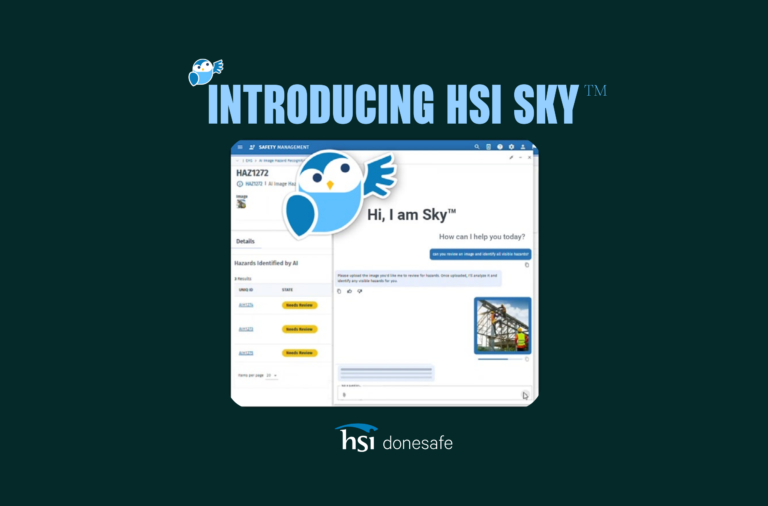
Emerging capabilities like AI-enabled hazard recognition technology are beginning to change that dynamic. By allowing workers to capture hazards visually and automatically identify risk types, organisations reduce reliance on technical language, remove barriers to reporting, and surface risks that might otherwise go unrecorded.
The impact isn’t just faster reporting. It’s a cultural shift from reactive documentation to proactive risk recognition, where identifying hazards becomes easier, more consistent, and embedded in everyday work.
Making Sure Your EHS System Can Still Adapt and Scale
Sustainable risk control depends on more than visibility, it demands adaptability. As operations grow, risks evolve, and regulations shift, your EHS platform needs to flex just as quickly. That means real-time insights, configurable workflows, and automation that can keep pace without constant vendor support.
That starts with risk data living in one place, always current, always connected across core areas like incident response, workforce training, chemical controls, and compliance. But it also requires a system that adapts as you grow, with the flexibility to support new risks without slowing you down.
Organisations don’t need to replace everything at once. They need an environment where risk processes can connect, scale, and evolve without creating new silos. That’s where HSI Donesafe fits, helping organisations bring fragmented risk activity back into a single operational view.
How HSI Donesafe Supports Scalable, Adaptive Safety, Risk and Compliance Management
HSI Donesafe helps EHS teams close the gaps that older systems can no longer cover. Many organisations use digital tools that once fit well, but as risk types multiply, teams expand, and regulations shift, those systems start to show limits.
HSI Donesafe was built to solve that. With a fully cloud-native, no-code platform, it gives organisations complete flexibility to adapt, extend, and scale their EHSQ approach without rebuilding from scratch.
Here’s how HSI Donesafe helps you stay ahead:
- Real-Time Visibility Without the Wait: Live dashboards, automated alerts, and mobile-first reporting give every stakeholder instant access to what’s happening on the ground, so you can act immediately, not weeks later.
- AI-Enabled Hazard Recognition That Helps Drive Safer Behaviours: Image-based hazard recognition reduces the effort and expertise required to identify risks, making reporting faster, more consistent, and accessible to every worker. The result is earlier intervention, stronger hazard data, and a cultural shift toward proactive risk awareness at scale.
- Configurable, No Code Required: Update forms, workflows, automations, and access rules in minutes, not months. Whether you’re adapting a process, scaling to a new site, or responding to a regulation change, you can configure Donesafe without relying on IT.
- Workforce Competency That Scales: Role-based competency management, linked to risk, training, and operational change, so capability keeps pace with how work is actually performed.
- Chemical Safety That Connects to Operations: QR-based SDS access, COSHH-aligned workflows, and real-time exposure tracking ensure chemical risk isn’t just documented, it’s actively managed in the field.
- Compliance Without Chaos: Automated training records, onboarding workflows, smart audit trails, and built-in reporting tools help teams stay ahead of audits and meet standards like ISO 45001 and RIDDOR.
- Modular and Scalable by Design: HSI Donesafe’s composable architecture means you can start with what you need now and expand at your own pace. Add users, sites, or modules without disruption, or re-platforming.
If you already use an EHS or chemical management solution but still face repeat incidents, lagging insights, or compliance gaps, the issue likely isn’t effort, it’s fragmentation.
HSI Donesafe brings all your safety-critical processes together under one roof, from incident management and chemical safety to workforce competency, psychosocial risk, quality, and supplier management. With live dashboards, smart automation, and no-code configurability, you get real-time control across all risk areas, without the silos, delays, or workarounds.
You don’t need more tools. You need one platform that’s built to adapt to your business, and scale with it. Book a personalised demo and see how Donesafe can give your team clearer visibility, stronger control, and measurable improvement in weeks, not months.
Share: