AU
AU NZ
NZ UK
UK SG
SG
Keeping your workplace safe means spotting hazards before they cause harm. You and your team walk sites, take photos, log risks, and follow up with corrective actions; but this process relies on human attention and availability. Conditions can change in an instant, and hazards can appear between inspections. No matter how vigilant your team is, human capacity has its limits.
AI-powered image hazard recognition provides a new approach.
By using computer vision and models trained on real safety data, it can identify blocked exits, missing PPE, fire risks, trip hazards, or unsafe storage in photos almost instantly. These insights help teams act faster than traditional inspections allow.
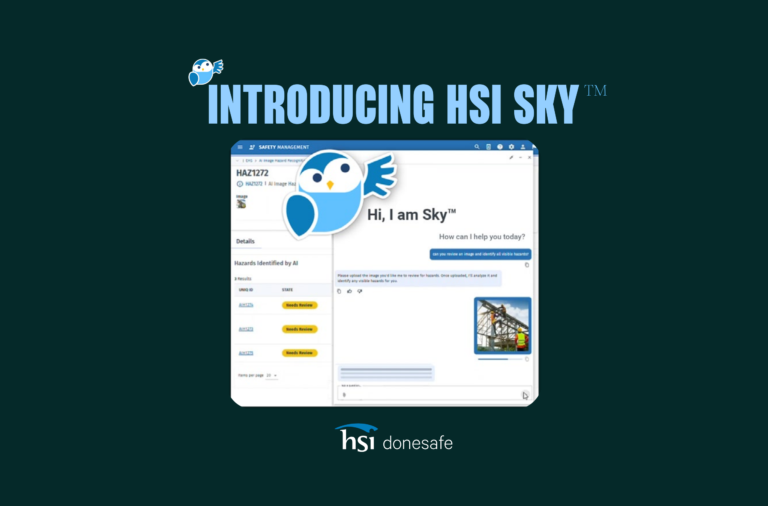
Today, AI can turn a simple photo into an observation record complete with suggested corrective actions and references to relevant safety standards. This changes how teams understand and respond to risk and photos become a source of continuous insight rather than just documentation.
Faster Hazard Detection
AI helps you detect risks consistently across all your sites by analyzing images the moment they are captured, rather than waiting for scheduled inspections. Missing PPE, blocked fire exits, or unsafe storage can be flagged instantly, giving you actionable information in seconds instead of hours.
Automating hazard recognition also frees you and your team from repetitive administrative tasks. Rather than spending time logging observations and following up manually, you can focus on coaching employees, improving processes, and addressing the underlying safety issues that make the biggest difference.
Building Trust with AI
The value of AI depends on how well it is trained. If a model is built on generic image libraries, it will struggle to understand the realities of your workplace. For AI to be truly useful, it needs to recognize your environment, follow regulations, and reflect industry standards. When it is developed with input from safety professionals and real-world data, you can trust the insights it provides.
You will start to rely on AI when its findings match what you already know and spot hazards you might miss because of fatigue or busy schedules. Accurate, reliable results help AI become a natural part of your daily safety workflow, giving you confidence to act quickly and effectively.
Turning Insights into a Safer Culture
AI can help you move from reacting to hazards to preventing them before they escalate. Research shows AI adoption in industrial operations can improve hazard response and consistency across sites. By analyzing the photos you capture, it can reveal patterns and trends over time, helping you see where risks are most likely to occur. You can allocate resources more effectively, implement targeted training, and address high-risk areas before they become incidents. When employees see hazards being addressed quickly and consistently, it reinforces a culture where safety is taken seriously every day.
If you manage multiple sites, AI gives you consistency across all locations. The same system can detect hazards in every facility, ensuring your safety practices are standardized. You gain clearer visibility into risks across your operations, which allows you to make smarter, more informed decisions about where to focus your efforts.
AI also makes compliance simpler. By linking observations automatically to the relevant regulations, it helps you generate audit-ready reports quickly and accurately. This reduces the time you spend on paperwork and allows you to focus on preventing incidents rather than chasing documentation.
Supporting Your Team, Not Replacing Them
AI is designed to enhance your work, not replace your expertise. You interpret risk, coach your teams, and implement improvements, and AI helps by handling repetitive tasks and organizing data in a way that’s easy to act on. This gives you and your team more time to focus on decisions that require human judgment and experience.
By continuously analyzing images, AI helps your safety program learn and adapt. It identifies emerging hazards and provides insights that can inform training programs and operational improvements. Over time, this creates a system that responds to changing conditions and becomes more effective at keeping your people safe.
Real-World Benefits You Can See
Research shows that AI trained on actual workplace safety data can reliably detect hazards and support faster risk reduction. Teams using AI-powered image recognition report quicker response times and improved hazard visibility. This technology is transforming how organizations manage safety, helping you prevent incidents before they happen and maintain compliance without the usual administrative burden.
By turning photos into actionable insights, AI strengthens your reporting, enhances training, and allows you to act on hazards immediately. It integrates seamlessly into daily operations, helping you build a stronger, more proactive safety culture.
The future of workplace safety relies on combining your expertise with technology that understands the realities of your environment. AI doesn’t replace your experience; it magnifies it. With the right tools, you can act confidently, protect your teams, and prevent incidents before they occur.
Learn more about HSI’s AI-powered image hazard recognition and how it’s shaping the future of workplace safety here. Discover how decades of safety expertise are guiding smarter, faster, and more actionable hazard detection.
Share: