AU
AU NZ
NZ UK
UK SG
SG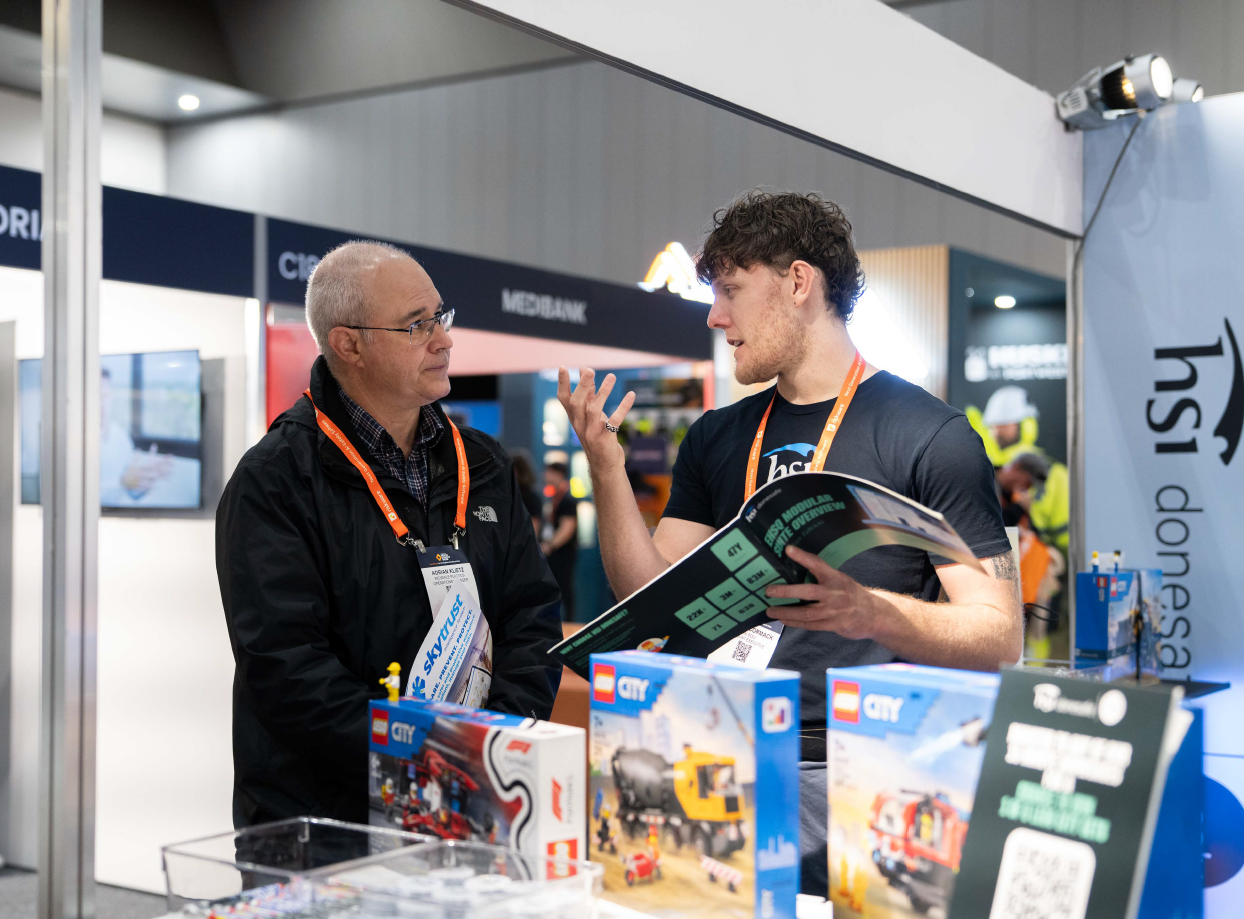
We spend a lot of time talking about the what and the how of safety software. We talk about compliance modules, incident reporting workflows, and risk mitigation strategies.
But at the recent Workplace Health and Safety (WHS) Show in Melbourne, there was a presentation that completely reframed how we should be approaching safety culture.
The speaker was Scott Reardon – a Paralympic gold medalist, world champion, and founder of the resilience and safety consultancy SISU. In 2002, as a 12-year-old boy on his family farm in New South Wales, Scott was involved in a horrific farming accident where his shoelace became caught in a tractor’s post hole digger, instantly severing his lower leg.
It’s a harrowing story, but Scott’s message wasn’t just about survival. It was about connection. He challenged everyone in the room to look beyond compliance data and reconnect workers with the true anchor of any safety system: their “Why.”
Here are some of the key leadership and strategic takeaways from Scott’s presentation and how they apply to the way we build and shape safety culture every day.
1. Do Your People Know Why They Are Safe?
In the software world, we build incredible tools to manage risk. But Scott raised a point every safety leader needs to hear:
“I’m pretty sure most of you have got the ‘what’ and the ‘how’ probably worked out. But if your people don’t understand ‘why’ they should do what they need to do, how difficult is that to actually implement a strategy?”
Many organisations experience resistance when introducing new safety protocols or platforms because workers often see them as another administrative task rather than something personally meaningful.
When introducing a safety initiative, do we start with the compliance framework, or do we start with the person? True buy-in doesn’t come from systems alone. It comes from creating a shared understanding of purpose.
Reflection for Leaders:
When rolling out a new safety procedure or software tool, are you explaining how it keeps the business compliant, or how it helps ensure someone gets home safely to their family?
2. The 12-Year-Old Mindset in Adult Workers
Scott reflected on the day of his accident and explained that while he understood risk because his father had warned him about the machinery, he didn’t truly understand consequence. At 12 years old, you know a machine is dangerous, but you don’t fully comprehend what it means to live the rest of your life on one leg.
The uncomfortable reality is that many adult workers still operate with this same mindset.
Complacency creates a dangerous gap between knowing a risk exists and genuinely respecting the consequences of ignoring it. Workers know a forklift could tip or that fatigue can impair judgement, but the real human impact of an incident often doesn’t feel real until it happens.
Thought-Provoking Question:
How can we use data and storytelling within safety management systems to bridge the gap between abstract risk and real human consequence?
3. Bringing ‘Home’ Onto the Workshop Floor
During his session, Scott asked the audience a simple question:
“If I took the money away from your job, would you continue to do it?”
The answer across the room was no.
We don’t live to work. We work to live. Our purpose – our “why” – is usually waiting for us at home. It’s our children, partners, friends, hobbies, and the life we build outside of work.
Scott shared a simple but powerful strategy he used in workshops. Workers would write down the most important thing in their life, and later that reminder would appear on their desk in a photo frame. Every time they looked up, they were reminded exactly why safety mattered.
When workers are connected to their personal “why,” they begin to genuinely look out for themselves because they don’t want to jeopardise the life they’ve built or the people waiting for them at home. But it also changes how they show up for the people around them. They become more aware of each other, noticing when a teammate with a newborn is exhausted and probably shouldn’t be operating heavy machinery. They step in because they understand what’s truly at stake; not just for the individual, but for the family, life, and future attached to them.
4. The Power of Small Psychological Tools in High-Risk Environments
As safety professionals, we often focus on systems and processes, but Scott also highlighted the importance of individual psychological tools.
Mindful Breathing
Scott demonstrated how a simple five-seconds-in, five-seconds-out breathing technique can help regulate a heightened heart rate and reduce stress within 90 seconds. In high-risk environments, taking a minute to reset before a difficult task or high-pressure meeting can help people think more clearly and make better decisions.
Combating Negativity Bias
Humans are naturally wired with a negativity bias; an evolutionary response designed to keep us safe from danger. But in modern workplaces, constant stress and negativity can cloud judgement and decision-making.
Scott spoke about the importance of actively practicing gratitude and recognition. Actually telling “Johnno” he did a great job rather than saying it to someone else. Small moments of recognition can help create stronger psychological safety and healthier team environments.
Shifting the Lens of Leadership
Scott closed his presentation with a memory that has shaped his advocacy for nearly 25 years. After the accident, his father found him in the back of the car, he collapsed to the ground, and began slamming his fists into the dirt in heartbreak.
That image cuts through every discussion about systems, compliance, and metrics.
Safety isn’t just about reporting numbers or reducing incidents. It’s about preventing that moment of heartbreak for someone’s parent, partner, child, or friend.
As we continue developing and implementing safety solutions across our industry, it’s important we connect the what and the how of safety systems directly back to the why of the people using them.
Because ultimately, the goal of any safety system is simple: making sure everyone gets home to what matters most.
Discussion Point:
How does your organisation connect frontline workers to their “Why”? Have you found effective ways to reduce complacency and create stronger personal accountability around safety?
Note & Credit: This article was inspired by a keynote presentation delivered by Paralympic Champion Scott Reardon, founder of SISU, at the Workplace Health and Safety (WHS) Show in Melbourne 2026.
Share: