AU
AU NZ
NZ UK
UK SG
SG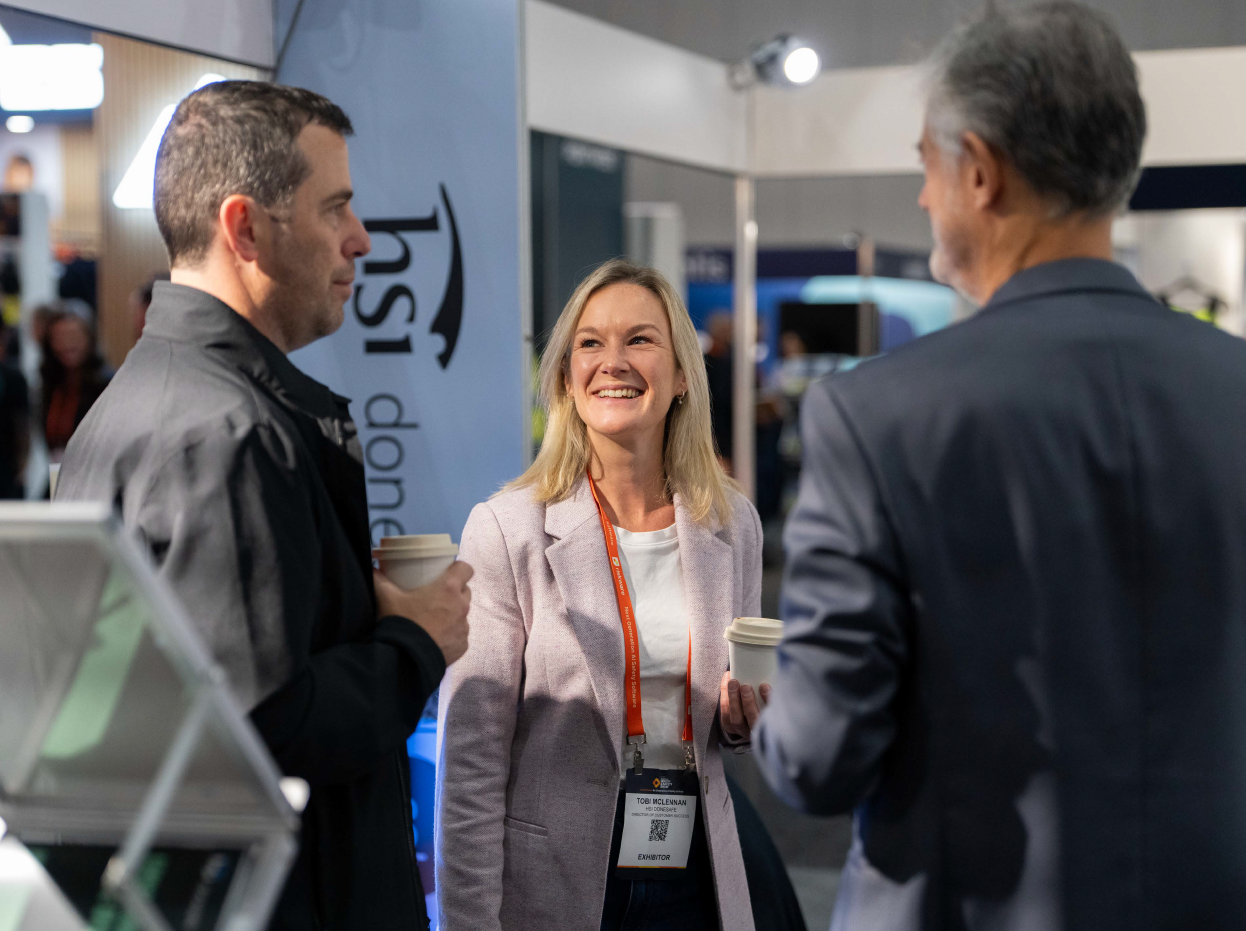
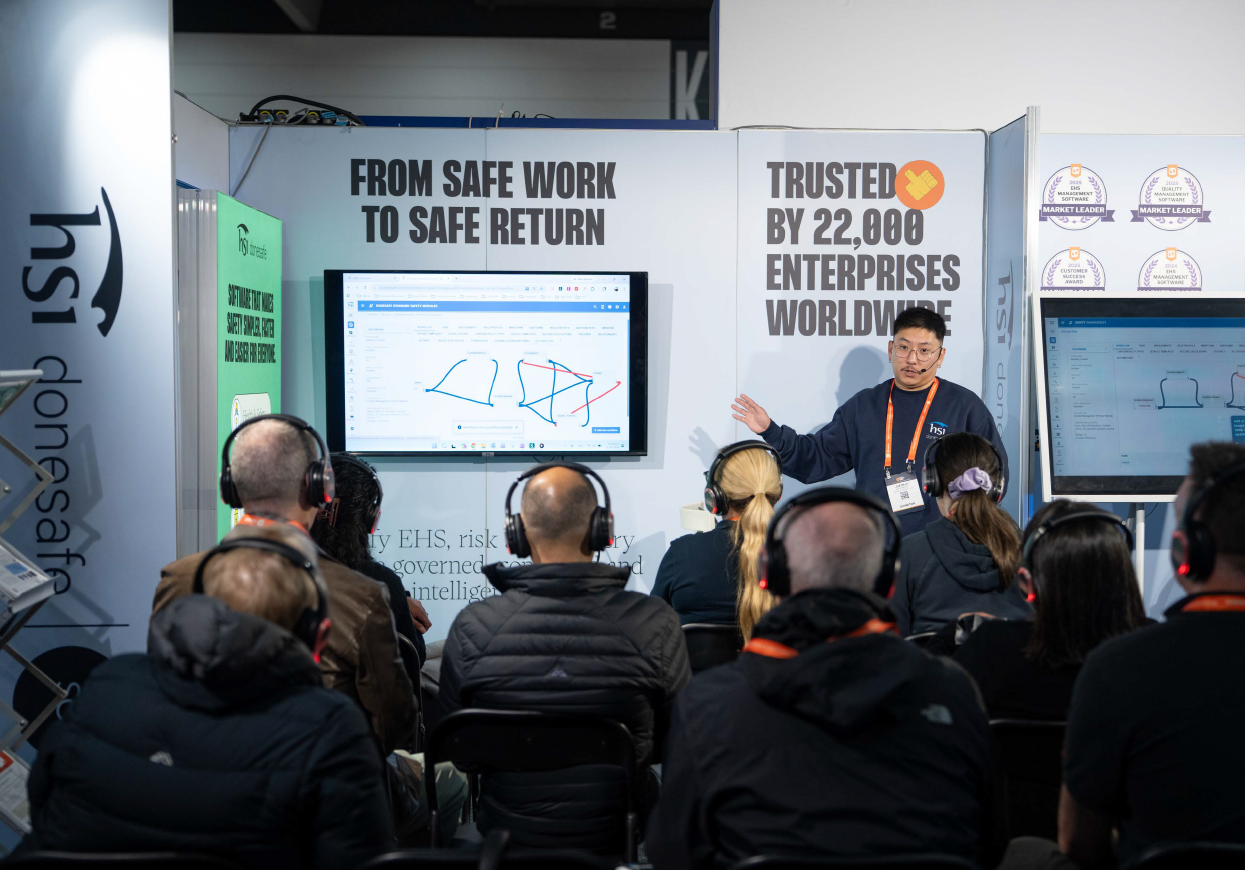
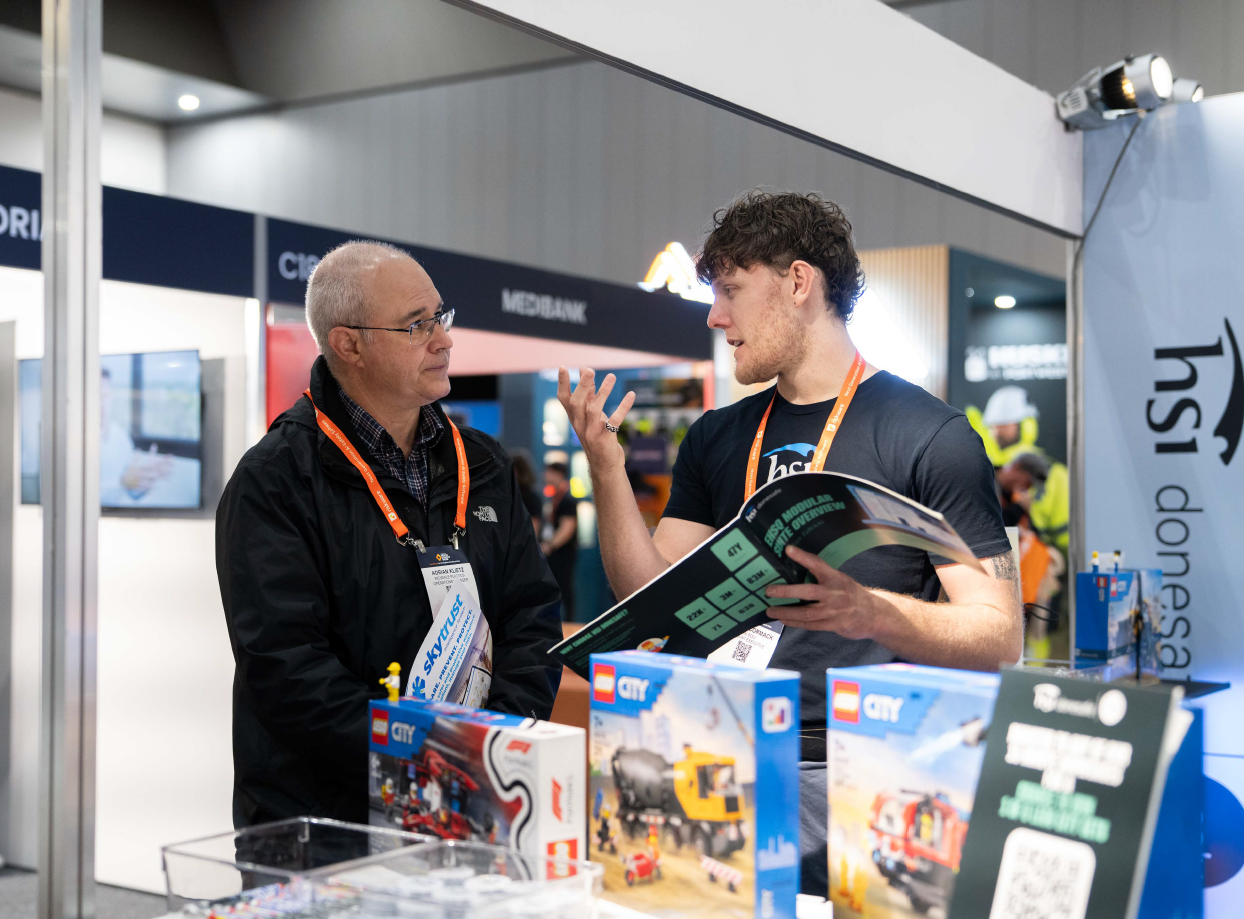
If there is one thing that became abundantly clear walking the floor at the Melbourne Workplace Health & Safety Show last week, it’s that the energy in our industry is at an all-time high. Our team at the HSI Donesafe and Solv stand barely had a moment to catch a breath; our space was a genuine beehive of activity from the opening shutters to the final pack-down.
But beyond the packed aisles and the excellent networking, the real value of the show was the honesty of the conversations.
Looking at the massive event agenda which spanned everything from psychosocial compliance and complex risk design to the inevitable buzz of Artificial Intelligence, it’s easy to get lost in the high-level theory. However, when you talk to safety leaders on the ground, the true priority for 2026 isn’t about finding the next shiny object. It’s about simplicity, connection, and empowerment.
Here are the macro themes we took away from the sessions and, more importantly, the honest realities safety professionals shared with us at our stand.
1. Demystifying AI: It’s About Better Decisions, Not Just Faster Ones
AI was obviously the word on everyone’s lips, dominating multiple tracks across the summit. But the collective epiphany at the end of these sessions wasn’t about robots running safety programs. In fact, attendees said they aren’t looking for a superficial “wow” factor; they want practical, safe utility.
The consensus was that AI shouldn’t be viewed merely as a tool for making faster decisions. Instead, its true power is in giving the right people faster access to the right information and context so they can make better-informed decisions.
WHS is encompases risk management, and effective risk management relies on data timing. The industry is looking for AI that can practicalise safety by:
-
Breaking down frontline barriers: Using natural interface features to overcome language, literacy, and mobile usability hurdles, driving true frontline engagement.
-
Connecting the dots: Instantly linking risks, controls, incidents, and operational data during investigations rather than leaving them in silos.
-
Human-centric governance: Ensuring strong human oversight remains at the core of all system outputs.
Our Take: This is exactly where our product philosophy sits. We believe technology should remove friction, not add complexity. By embedding smart utility directly into intuitive workflows, we ensure the frontline wants to use the system, giving leadership the clean data they need.
2. Moving Past the Blame Game and Finding the True Operational Context
Another standout theme from the show revolved around modern incident investigations. We had a fantastic, in-depth chat at our stand with a GM of Safety on this exact topic, validating a shift that was echoed across the seminar stages.
“Old school” safety often stops the clock the moment it’s discovered that a procedure wasn’t followed, effectively defaulting to a blame game. The progressive shift happening right now is a move toward understanding the operational context and conditions that contributed to an event:
- What environmental or operational factors existed at that exact time?
- What barriers genuinely prevented the work from being done as expected?
- Which controls were effective, and which failed?
To answer these questions, systems can’t behave like stagnant digital filing cabinets. They have to act as a connected source of truth, dynamically linking investigations back to live risks, audits, actions, and daily operational activities.
Our Take: When your safety management framework (Donesafe) seamlessly talks to your injury management and return-to-work workflows (Solv), you get the full picture. True care and systemic improvement happen when you understand the whole story, from the proactive risk control right through to a worker’s safe recovery.
3. Fighting “Death by Dashboard” with System Simplicity
On the ground, safety professionals told us they are battling platform fatigue. They don’t need more complex configurations that require a computer science degree to alter; they need system optimization and simplicity. The conversations we had consistently came back to operational efficiency, contractor management, and leveraging smart, flexible builds to drive better business adoption.
Leaders are looking to optimize what they have and find solutions that their workers will actually adopt. They want systems that handle the heavy lifting of compliance and data-linking in the background so their teams can focus on what matters… their people.
The Big Picture and Getting Buy-In for the Future
A common thread tying all of this together was the challenge of getting buy-in from executive decision-makers to invest in expanding and evolving these systems.
The takeaway from Melbourne is that the business case for modern safety tech isn’t built on compliance alone anymore, it’s built on adoption and efficiency. When a system is simple enough for the frontline to embrace, smart enough to give context to investigations, and integrated enough to manage risk and recovery under one roof, the ROI speaks for itself. Want to know more? Read our ROI & Business Case Guide.
It was an incredible few days connecting with the Melbourne WHS community. We left inspired, validated, and more committed than ever to keeping safety software grounded, connected, and brilliantly simple.
Missed us at the show or want to keep the conversation going? Let’s chat about how HSI Donesafe and Solv can bring these insights to life for your team.
Share: